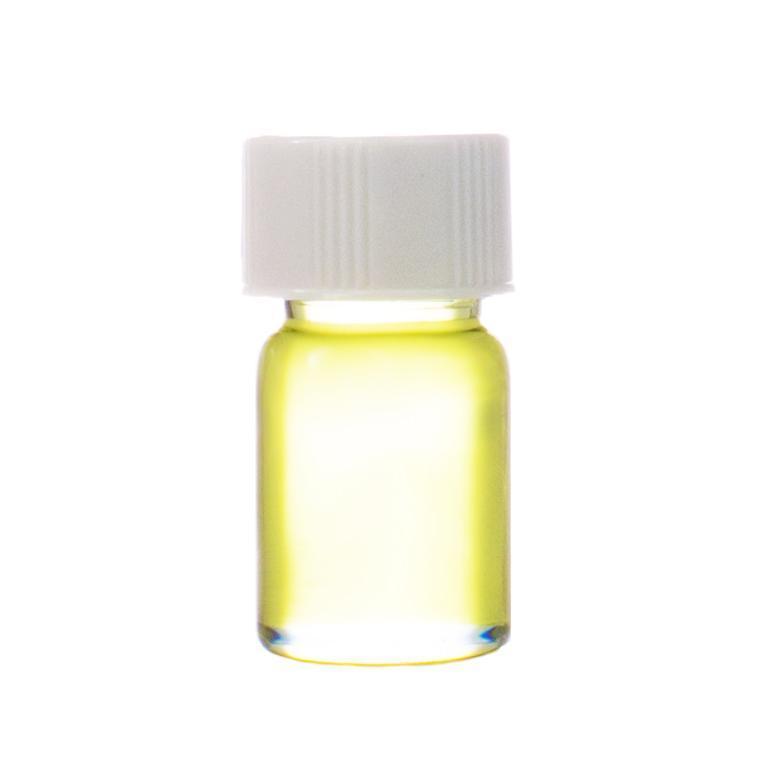
THE FELICITOUS FRAGRANCE OF FEVERFEW
Create a scented cave for the senses and spirit with the felicitous fragrance of Feverfew. A flower of the Asteraceae family and a cousin to the Tanacetum genus, this midsummer daisy has been a cornerstone of European apothecaries for centuries. Feverfew, or Tanacetum parthenium, is a botanical classic that has traversed the centuries under the moniker of the "medieval aspirin". Long before modern science identified its molecular mechanisms, Renaissance herbalists mapped its "anti-giddy" properties, using it to settle the "vexed vessels" of the head and restore a sense of grounded presence. The scent is a herbaceous, somewhat sweet and balsamic lovechild of camphor and chrysanthemum; with the erudite edge of camphorous clarity, it is the ultimate ally for those seeking to unwind the mind and invite inner illumination.
This is the steadfast ballast of the midsummer field. While its dainty, daisy-like flowers appear whimsical, the distilled essence is a formidable force of authentic camphor (40–50%). Feverfew effectively nestles the nerves, specifically when the head feels heavy or the sensory landscape seems too much. The secret of this substance resides in its complex combination of catalyzing camphor and its lineage of soothing sesquiterpene lactones. While most camphorous oils are simply stimulating, Feverfew functions as a fragrant anchor to unwind the mind. Feverfew bridges botanical benevolence with chrysanthenyl acetate and the vigour of camphor for a beautiful balance.
PRACTICAL APPLICATIONS
Feverfew is a polycrest for the modern mind and creative concentration. Anoint, diffuse, or drop into a salt pipe with a drop of Peppermint and Frankincense as clarifying companions for expansive airways and resonant breathing. Apply a diluted drop to the temples to unwind and "mind" your way into meditation, as it helps to settle the static of a busy day. It is a bathing beauty, transforming ordinary baths into a restorative ritual that cools the skin and quiets the spirit.
Botanical Name: Chrysanthemum parthenium (also Tanacetum parthenium)
Botanical Family: Asteraceae
Extraction Method: Steam distilled
Part of Plant Distilled: Flowers and aerial parts
Country of Origin: Canada
Cultivation Method: Organic and wild-crafted
Scent Description: Espers of camphor and chrysanthemum’s lovechild: soft and subtle with earthy notes of fresh greenery. Steffen Arctander, in his definitive work Perfume and Flavor Materials of Natural Origin, notes that Feverfew possesses a "bitter-herbaceous, somewhat sweet and balsamic odor," creating a scent profile that is both grounding and ethereal.
Blends Beautifully: Greenland Moss, Yarrow, Spearmint, Spikenard, Citron, Bergamot, Peppermint, Lavender, Spruce, Sandalwood, Lemon, Ylang, Lime, Frankincense, Rose Otto, and Blue Tansy.
Contraindications: Avoid during nursing and pregnancy. Robert Tisserand cautions that the high concentration of camphor should be avoided by those who are epileptic or vulnerable to seizures.
Constituents: The volatile oil of Feverfew is chemically complex, containing a variety of organic acids, ethers, and sesquiterpene lactones. Its unique fingerprint is led by the botanical bridge of camphor (46%) and chrysanthenyl acetate (19%). This specific ratio provides the principal pep that clears mental fog and stills internal weather. Opulent amounts of naturally occurring camphor are rare and represent one of the primary gifts of this extra-clarifying essence.
View or download the Certificate of Analysis.
This essence is a verified, unadulterated botanical treasure, third-party tested to ensure 100% purity.
EASY DIY FEVERFEW FORMULAS
The Mindful Anoint
Mix 5 drops of Feverfew, 5 Peppermint and 5 Marjoram into 5ml of Jojoba. Dab onto temples and the back of the neck and sides of neck.
The Mindful Diffusion
Add 5 drops of Feverfew, 5 drops of Frankincense, and 5 drops of Bergamot to your diffuser. This combination creates a sanctuary for creative concentration.
The Radiant Bath Ritual
Dilute 3 drops of Feverfew into a tablespoon of honey or sea salt. Stir into warm bathwater to soothe the skin and encourage a state of deep, meditative relaxation.
FEVERFEW FREQUENTLY ASKED QUESTIONS
How is Feverfew related to Chamomile and Blue Tansy (Tanacetum annuum)?
While Feverfew looks like a classic daisy with its snowy-white ray florets and yellow centers, similar to German and Roman Chamomile, it is botanically distinct and belongs to the Tanacetum genus. This makes it a direct cousin to the Common Tansy (Tanacetum vulgare) and the beloved Blue Tansy (Tanacetum annuum). The genus name is derived from the Greek word athanatos, meaning "immortal," a nod to the long-lasting nature of its flowers and its ancient status as a perennial protector in the apothecary garden.
What is the chemical difference between Feverfew and its Blue Tansy cousin?
The primary difference lies in their molecular "color" and aromatic signature. While Blue Tansy (Tanacetum annuum) is famous for its high chamazulene content, the blue-hued compound that calms and cools, Feverfew (Tanacetum parthenium) produces a clear, crystalline essential oil. Instead of the blue cooling of chamazulene, Feverfew offers the clarifying vivacity of camphor. Together, they represent two different expressions of the Tanacetum family: one a deep blue pool of calm, and the other a bright, camphoraceous beacon of clarity.
Can I use Feverfew oil directly on my skin?
While a single drop may be appropriate for some individuals after a successful patch test, we generally recommend diluting Feverfew in a carrier oil like Jojoba or incorporating it into a blend. Because of its potent 46% camphor content, dilution ensures the essence remains a soothing botanical experience rather than an over-stimulating one for the skin.
Why is your Feverfew from Canada?
Our Canadian-grown Feverfew is organic and wild-crafted, capturing the hardy, resilient energy of the northern landscape, which results in a particularly "juicy" and potent camphor profile.